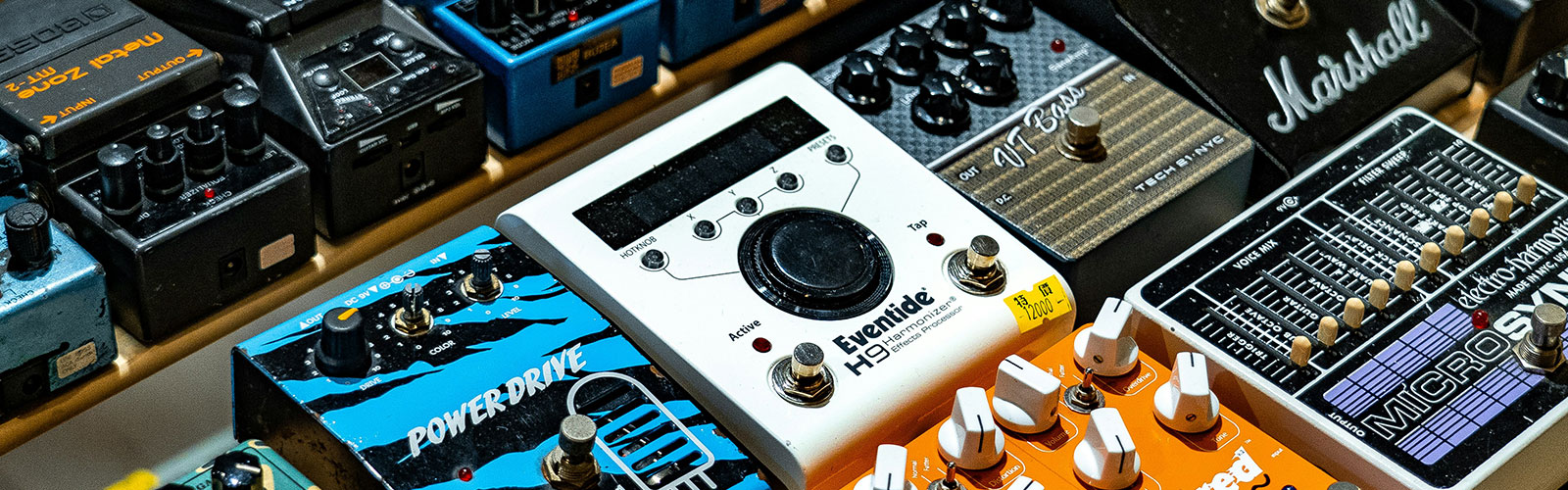
If you’ve ever scrolled through pages of stompboxes wondering which ones truly earn a spot on your board, you’re not alone. Choosing the best guitar pedals isn’t about collecting gear—it’s about unlocking the sounds, textures, and inspiration that help you play more confidently and creatively. The right pedal at the right moment can spark a breakthrough, reshape your tone, or open a door to new musical ideas you didn’t even know you had.
In this guide, we’ll break down the essential pedals every serious guitarist should consider, explore how they shape your tone, highlight common pitfalls, and give you hands-on examples and exercises to start using them musically today.
As your playing matures, tone stops being an abstract concept and becomes part of your musical voice. Pedals help translate what you hear in your head into something your amp—and your audience—can feel. Whether you're chasing John Mayer cleans, Hendrix-style psychedelia, or modern ambient soundscapes, pedals are the tools that bring those worlds within reach.
At TrueFire, many instructors—from Jeff McErlain to Carl Verheyen—emphasize that effects aren’t shortcuts. They’re creative partners. Understanding how to dial them in is one of the fastest ways to elevate your expressiveness. If you want deeper instruction on tone shaping, check out lessons inside our guitar gear & tone courses, where top pros demonstrate real-world pedal applications.
Let’s break down the essential pedals every guitarist should at least consider. These aren't gimmicks—they're foundational sound-shaping tools used across decades of recorded music.
If I had to pick one pedal that belongs on nearly every board, it would be an overdrive. A great overdrive doesn’t just add grit—it enhances touch sensitivity, makes your picking dynamics more expressive, and helps your guitar sit better in a mix. Many students first learn to “drive the amp” inside courses like Gear & Tone Talk: Blues, where instructors show how overdrive shapes everything from Texas blues to modern rock.
Play a simple I–IV–V blues progression. First clean, then with light overdrive. Notice how even minimal gain encourages smoother legato, more decisive bends, and better note separation.

The best delay pedal pick will always offer three things: clarity, flexibility, and musical timing. Delay isn't just an effect—it’s a rhythmic partner. Learn dotted-eighth note delay and your solos immediately feel more intentional. David Gilmour, The Edge, and countless modern players use delay to create depth and movement that becomes central to their sound.
Set your delay to a single repeat at about 350ms. Play a minor pentatonic scale slowly. Listen to how the repeat fills space without muddying your main line.
For deeper delay techniques, try our creative guitar effects courses with pro demonstrations you can follow along with.

The best guitar reverb pedal should enhance—not overwhelm—your tone. Reverb gives your playing a sense of space, dimension, and emotional depth. Whether it's a classic spring sound for surf and blues or vast ambient washes for modern worship and cinematic playing, the right reverb inspires new phrasing ideas instantly.
If your tone feels muddy, lower the mix and decay. Reverb is easy to overuse when you're practicing alone.

The best wah pedal becomes an extension of your hands. Think of players like Jimi Hendrix, Kirk Hammett, or Steve Vai—the wah lets you “talk” through your guitar by emphasizing specific frequencies as your foot moves.
Want to master expressive phrasing? Explore hands-on lessons inside our vibrato and bending study paths, where phrasing techniques pair perfectly with wah-driven articulation.

The best fuzz pedal isn’t for the faint of heart—but it’s perfect for players who want vintage character, bold attitude, and massive sustain. Fuzz transforms your guitar into something raw, explosive, and deeply expressive when paired with smart technique.
If you want to learn how tone interacts with phrasing, check out our lead guitar courses that teach how effects enhance storytelling in solos.

The best looper pedal will improve your sense of timing, harmony, and improvisation faster than almost any other piece of gear. Many TrueFire instructors—including Robbie Calvo and Carl Wokner—use loopers as powerful practice companions.
Record a simple 12-bar blues. Now solo over it using only two strings. This forces creativity and helps you internalize chord tones.
For improvisation training that pairs perfectly with looping, explore our guitar looping courses.

Begin with overdrive, delay, and reverb. These three form the backbone of most modern tones.
Add wah or fuzz to shape personality and grit.
A tuner and looper bring order and creativity to your practice setup.
The fastest way to get lost is adjusting everything at once. Set each pedal with intention before moving on.
Set only a single pedal at a time and play for 5 minutes. Notice what changes in your attack, vibrato, and note choices.
Use a metronome at 80bpm and set a dotted-eighth repeat. Play simple eighth-note lines and feel the rhythmic interplay.
Play slow bends in A minor. Rock the wah toward the toe position as the pitch rises. You’ll hear the phrasing “speak.”
Roll back your guitar volume with fuzz engaged. Notice how touch-responsive fuzz becomes when controlled with dynamics.
Choosing the best guitar pedals isn’t about building the biggest collection—it’s about curating the tools that inspire you to practice more deeply, play more boldly, and develop your own musical identity. Whether you’re exploring the best overdrive pedal for expressive blues, the best delay pedal for atmospheric solos, or the best looper pedal for next-level practice, each pedal on your board should make your guitar feel more like “you.”
If you’re ready to level up your tone, technique, and musicality, there’s no better time to dive in. Try TrueFire All Access FREE with a 14-day trial and explore thousands of lessons on tone, effects, technique, improvisation, and more.
